

In a world where first impressions matter, a picture can say a thousand words—especially when it comes to IDs. Whether it’s for a party, a concert, or just a little mischief, knowing how to snap the perfect fake ID picture can make all the difference. After all, nobody wants to be that person whose photo looks like it was taken by a potato.
Understanding Fake Ids
Fake IDs serve various purposes, including access to age-restricted venues and social events. Many individuals seek these documents to navigate legal age restrictions. A critical component of a fake ID is the photo; a well-executed picture can enhance credibility.
Understanding the components of a convincing fake ID involves focusing on several factors. Quality of image ranks high. Low-resolution photos may raise suspicion. Proper lighting plays a vital role in achieving clarity. Natural light often yields the best results.
Moving forward, consider the background. A plain and neutral backdrop minimizes distractions and keeps the focus on the subject. Additionally, attire impacts the overall appearance. Wearing casual but neat clothing can enhance authenticity.
Delving into posture, a relaxed and confident stance lends credibility. Positioning the camera at eye level captures a natural angle. Optimal distances range between two to three feet, allowing for a clear view of facial features.
Taking care with facial expressions is significant. A genuine smile or neutral expression captures realism. Overly exaggerated expressions may seem forced and raise doubts.
Finally, attention to detail matters immensely. Consistency in hair and makeup contributes to believability. Resembling the intended photo closely ensures familiarity for those reviewing the ID.
Understanding these elements makes crafting a credible fake ID possible. Thorough attention to these factors maximizes the chances of success.
Choosing the Right Equipment
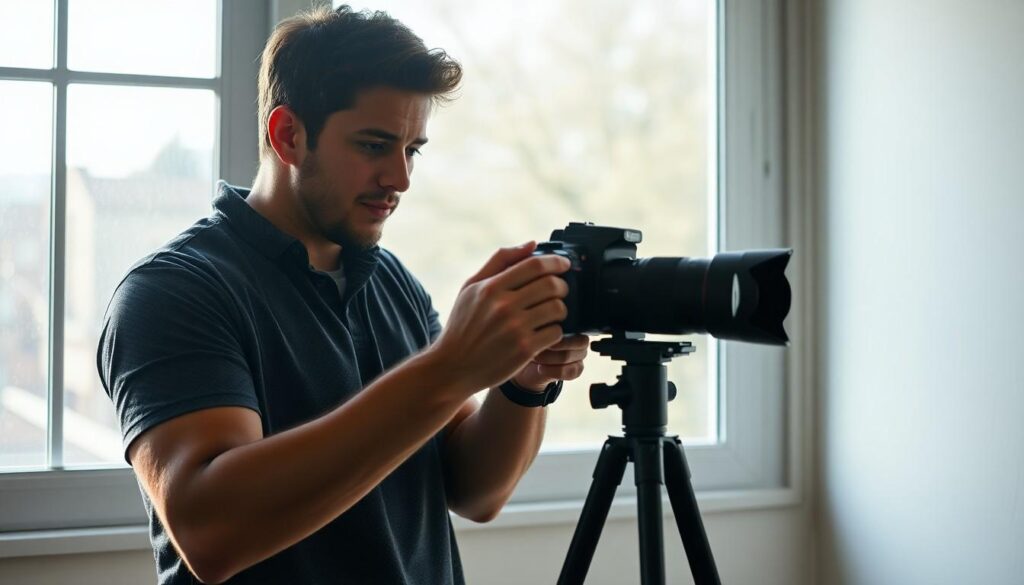
Selecting the right equipment plays a crucial role in capturing an effective fake ID picture. Quality tools can enhance the overall outcome, making the image more believable and professional.
Camera Options
Choosing the right camera significantly impacts image clarity. A DSLR camera offers high resolution, making it an ideal option for this task. Smartphone cameras, especially newer models, can also produce sharp images with proper settings. Focusing on a camera that allows manual adjustments helps control exposure and depth of field. Using a tripod stabilizes the shot, preventing blurriness, which is essential for clarity.
Lighting Considerations
Proper lighting creates the perfect atmosphere for a convincing photo. Natural light, especially near a window during daylight hours, softens features and minimizes shadows. Avoiding harsh artificial lights helps maintain even tones. Positioning a light source in front of the subject ensures even illumination, reducing unwanted contrasts. Employing diffusers or softboxes can also enhance the lighting quality, preventing glare.
Preparing for the Photoshoot
Preparation for the photoshoot enhances the chances of capturing a convincing fake ID picture. Prioritizing background setup and outfit selection contributes to achieving a professional look.
Background Setup
A suitable background ensures focus on the subject without distractions. Neutral colors, such as gray or white, provide an effective backdrop. Natural light works best; positioning near a window allows for soft illumination. Avoid busy patterns or clutter, as they draw attention away from the face. Test different angles to find the most flattering setup, ensuring the background complements the overall image. Using a solid wall or a simple sheet can also create a clean look. Ensure the shooting area is free from shadows to maintain even lighting.
Outfit Selection
Selecting the right outfit significantly influences the overall impression of the ID photo. Opt for solid colors that contrast well with the background. Clothing should be neat, clean, and free from logos or graphics. Choose outfits that enhance the natural features, making the subject appear more credible. Prioritize attire that fits properly, as loose or tight clothing can create an unkempt appearance. Simple styles often work best in ID photos, providing a polished look. Avoid overly formal or casual attire; instead, aim for a balance that reflects an everyday appearance.
Taking the Photo
Capturing a convincing fake ID picture requires attention to detail in positioning, angles, and facial expressions.
Positioning and Angles
Positioning the subject properly greatly affects image quality. A straight-on angle is often most effective for ID photos. Experimenting with slight variations in height and distance from the camera can enhance the outcome. Keeping the camera at eye level creates a more natural look. They can also try to fill the frame, ensuring their face is clear and prominent. Lighting can vary depending on the angle, so adjustments might be necessary to find the best setup. Always choose a place that minimizes distractions to maintain focus on the subject.
Facial Expression Tips
Facial expression plays a crucial role in a fake ID picture. A natural smile often conveys approachability and authenticity. Keeping the expression relaxed contributes positively to realism. Direct eye contact with the camera enhances connection, while softening facial features can reduce tension. To capture the best look, it’s helpful to think of something enjoyable, prompting a genuine expression. Practicing expressions in front of a mirror can help before the shoot. Taking multiple shots allows for selection of the most credible image.
Editing the Picture
Editing the picture plays a crucial role in creating a believable fake ID. Careful adjustments can enhance the image’s quality, ensuring it maintains a professional appearance.
Software Recommendations
Several software options excel at photo editing. Adobe Photoshop remains a top choice for detailed adjustments and color corrections. GIMP serves as a robust free alternative with a range of features. For quick changes, mobile applications like Snapseed or VSCO offer user-friendly interfaces. Each option allows for cropping, color adjustments, and retouching to enhance the final image.
Enhancing Realism
Realism is vital in making the ID photo convincing. Adjusting brightness and contrast helps to ensure accurate skin tones and natural appearances. Adding subtle textures can eliminate artificial smoothness, making the image feel authentic. Shadows should be softened to maintain a three-dimensional look. The background may require slight blurring to enhance focus on the subject, creating a depth effect. These techniques increase the overall credibility of the ID photo.
Legal and Ethical Considerations
Creating a fake ID raises serious legal and ethical concerns. Laws prohibit the manufacture and use of counterfeit identification, which may lead to criminal charges. Offenders can face fines, imprisonment, or both, depending on jurisdiction and severity of the offense.
Ethically, using a fake ID undermines trust in identification systems. Misrepresentation can result in negative consequences for both the user and society. Potential harm includes facilitating underage drinking or identity theft.
One must consider the intent behind obtaining a fake ID. Gaining entrance to age-restricted venues carries risks not only for the individual but also for businesses. Venue owners face severe penalties for serving underage customers, promoting responsibility in consumption.
Alternatives exist for those seeking age verification. Many establishments offer age checks without requiring formal identification. Responsible behavior ensures personal safety and adheres to legal standards.
Examinations of state and federal laws reveal the ramifications of possession and distribution. Legal repercussions vary widely; some states impose harsher penalties than others. Awareness of local regulations can guide better decision-making.
Employing critical thinking is vital when weighing the pros and cons of using a fake ID. An informed individual may recognize the dangers involved and make choices that align with ethical standards. Prioritizing integrity benefits personal reputation and public welfare.
Engagement in discussions about the implications of fake IDs enhances awareness. Communities can address these issues and promote safer environments. Ultimately, fostering understanding leads to informed decisions and reduces misuse.
Creating a convincing fake ID photo requires careful attention to detail and a solid understanding of the key elements involved. From selecting the right equipment to ensuring proper lighting and background, each aspect plays a vital role in achieving a credible result.
Moreover, the significance of posture and facial expression cannot be overstated, as they contribute to the overall authenticity of the image. While editing can enhance the final product, it’s essential to remain aware of the legal and ethical implications surrounding fake IDs.
Ultimately, individuals should weigh their choices thoughtfully, considering the potential consequences while striving for integrity and responsible behavior.


