

Tunnelling and underground space technology might seem like topics reserved for sci-fi movies or urban planners with a fascination for the subterranean world. But let’s face it: whether it’s escaping the chaos of city traffic or digging deeper for sustainable resources, tunnels are the underappreciated veins of modern infrastructure. Here, we’ll guide you through the intriguing realm of tunnelling, uncovering its historic roots, innovative advancements, and transformative applications. Buckle up: the journey underground is about to begin.
Tunnelling And Underground Space Technology
Historical Development Of Tunnelling
Tunnelling has a rich history that dates back thousands of years. The ancient Romans were masters of the art, using tunnels for aqueduct systems that provided water to cities. Fast forward to the 19th century, and the advent of the steam engine spurred rapid growth in tunnelling techniques. The construction of the London Underground marked a milestone, showcasing civil engineering prowess that paved the way for the expansive underground networks we see today.
Modern Innovations In Tunnelling Technology
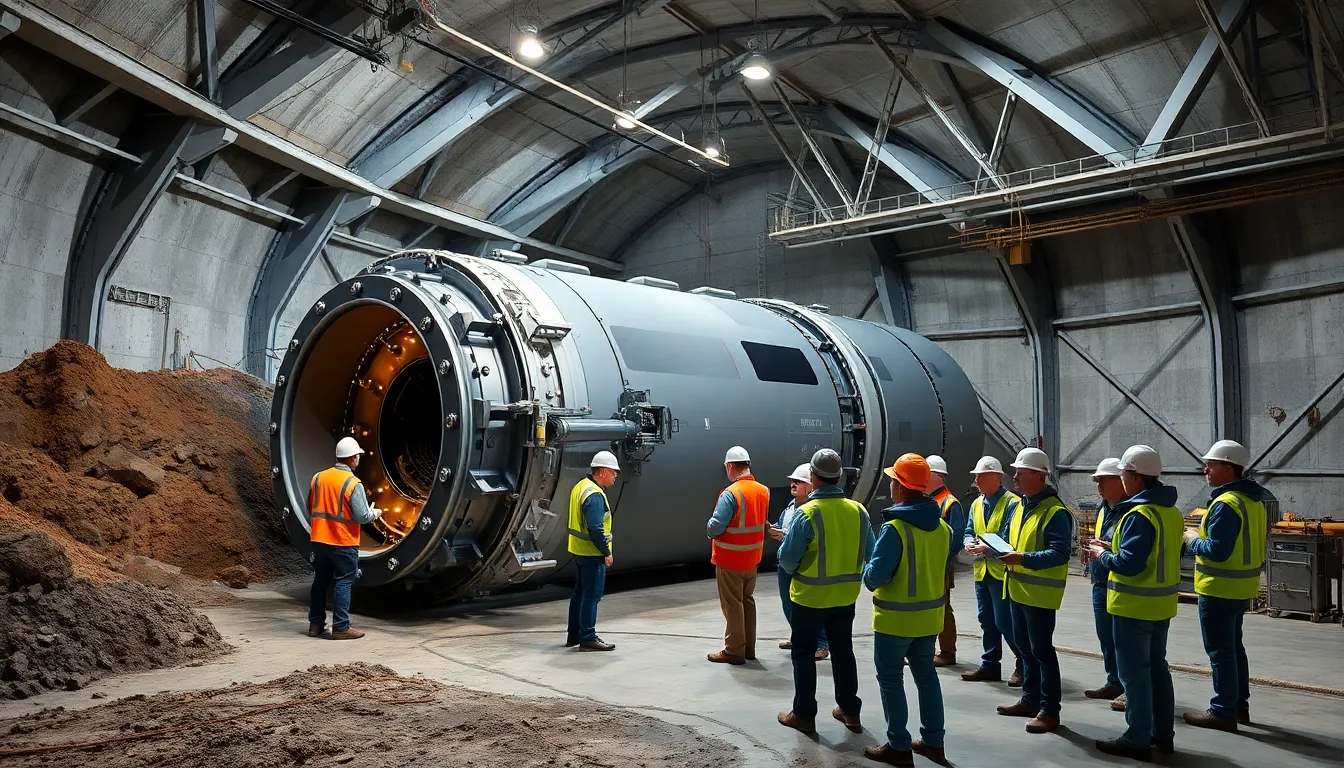
In recent years, tunnelling has transformed dramatically thanks to technological innovations. The use of Tunnel Boring Machines (TBMs) represents a seismic shift in how tunnels are excavated. These machines can bore through various materials with incredible precision, minimizing surface disruptions and leading to safer, more efficient construction. Also, the incorporation of Artificial Intelligence in monitoring systems helps optimize machine performance, enhancing safety and reducing operational costs.
Types Of Tunnelling Methods
Traditional Tunnelling Techniques
Traditional methods, such as the cut-and-cover technique, involve excavating a trench, building the tunnel structure, and then covering it up. While simple, this method can be disruptive to surface activities, often leading to traffic headaches or temporary relocations. Even though its drawbacks, cut-and-cover remains in use due to its effectiveness for shallow tunnels.
Mechanical Tunnelling Methods
Mechanical methods, especially with the evolution of TBMs, have revolutionized tunnel excavation. These high-tech tools can operate more efficiently underground and are capable of navigating complicated geological profiles. Their design allows for rapid construction, reducing the time required to complete significant projects while increasing safety levels.
Continuous Mining Methods
Emerging as the go-to for mining operations, continuous mining methods harness advanced machinery to extract materials with minimal interruption. These methods have streamlined operations, allowing for faster excavation and reduced costs, so making them ideal for underground resource extraction.
Applications Of Tunnelling Technology
Infrastructure Development
Tunnelling is integral to infrastructure development. From transportation to water supply, tunnels provide solutions that keep urban spaces functioning efficiently. Railways, subways, and highways often rely on tunnels to connect cities while minimizing disruption to the surface environment. Besides, they are crucial for utilities, ensuring resources are delivered safely and reliably.
Underground Urban Spaces
As cities continue to grow, the creation of underground spaces becomes increasingly important. Parking lots, shopping centers, and even parks can be found beneath bustling city streets. This trend not only maximizes land use but also preserves surface-level aesthetics and reduces congestion. Underground urban spaces are now becoming essential parts of smart city planning.
Environmental Considerations In Tunnelling
Sustainability Practices In Tunnelling
As society advances, so does the commitment to sustainability within tunnelling projects. Practices such as using recyclable materials and minimizing groundwater pollution have become essential. Newer machines designed with eco-friendly technology lessen energy consumption, leading to reduced carbon footprints during construction.
Impact On Surrounding Environments
But, tunnelling poses challenges to surrounding environments. Disruptions can influence local ecosystems, affect groundwater flow, and even result in surface subsidence. Hence, environmental assessments are critical before any tunnelling project commences. Engineers are now employing methods to mitigate adverse effects while still achieving project goals.
Future Trends In Underground Space Technology
Smart Tunnelling Solutions
The future of tunnelling technology lies in smart solutions. Innovative data analytics and IoT devices will enhance real-time monitoring of tunnelling projects, improving safety and efficiency. Data from multiple sources, such as weather conditions and geological data, will inform decision-making, leading to improved tunnelling techniques and operations.
Integration With Urban Planning
Urban planning is also evolving to integrate underground spaces more effectively. As cities grapple with population growth and limited space, combining surface and underground development will become a pivotal strategy. This holistic approach aims to optimize land use, ensuring sustainable urban growth while enhancing the quality of life for city dwellers.